Painting Insights & Tips — Extra Care Custom Painting

Painting Insights & Tips

Expert advice from 25+ years of painting homes and businesses in Los Angeles.

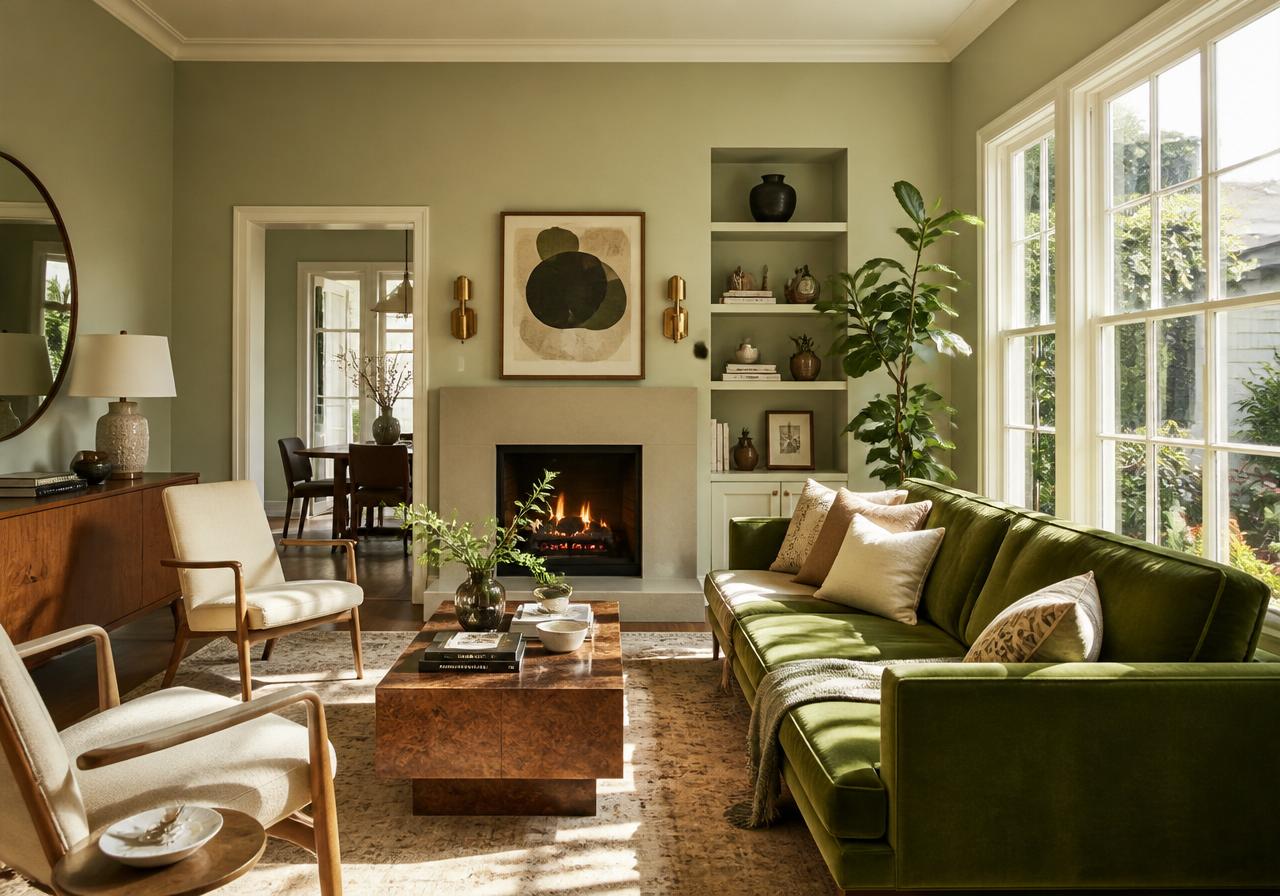
A modern Los Angeles living room with sage green walls and warm afternoon light
Interior

How to Choose the Perfect Interior Paint Color for Your Los Angeles Home

LA's natural light dramatically changes paint colors throughout the day. Here's how to pick shades that look great morning, noon, and night.

Mar 18, 2024 6 min
Read More →

Los Angeles is a city of light. From the marine layer of the morning to the warm golden hour of the afternoon, the natural light hitting your walls shifts dramatically every few hours. That same wall painted 'warm white' can look creamy at 8 AM, crisp at noon, and almost pink at sunset. Choosing an interior color for an LA home means thinking about how light bends across your space, not just what looks good on a chip.

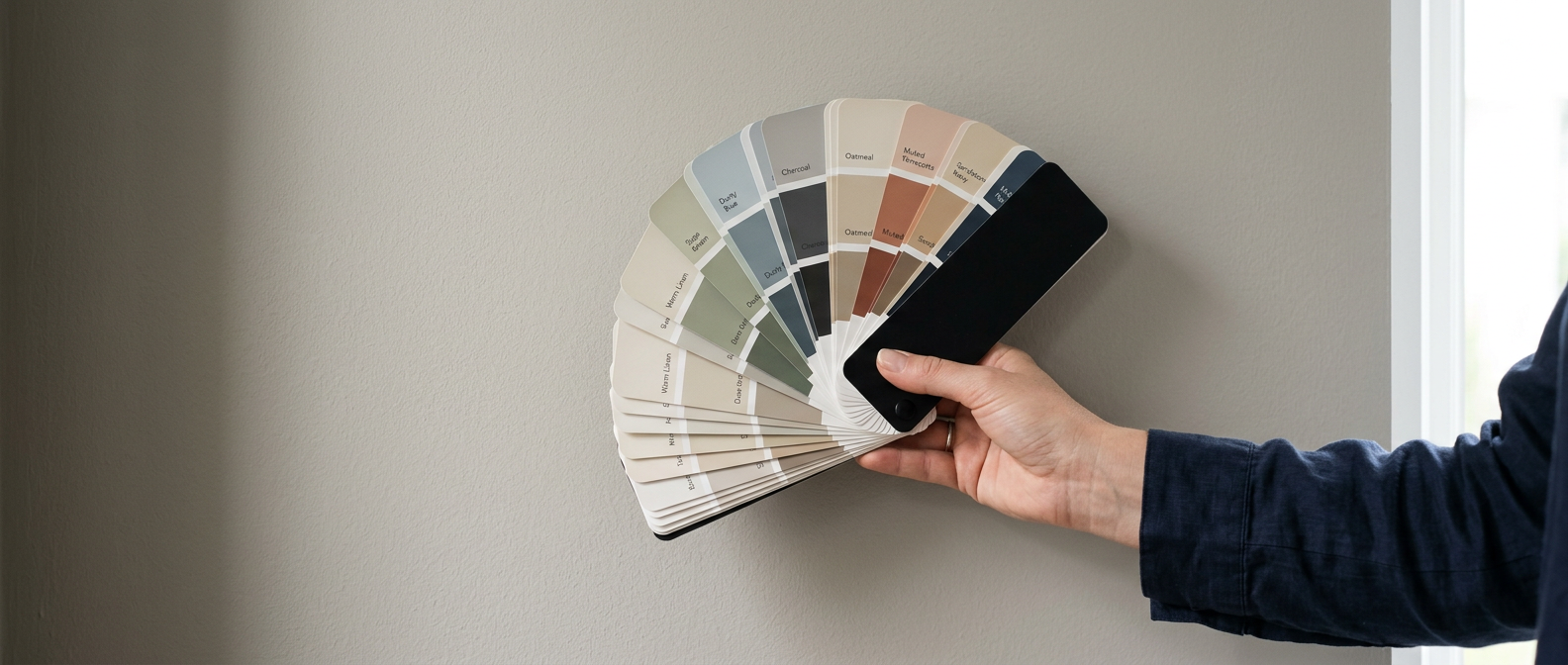
Start with undertones. Every paint color — even neutral whites and grays — has a subtle undertone of yellow, blue, green, or pink. South-facing rooms in LA flood with warm light, which exaggerates yellow and red undertones. North-facing rooms get cooler, flatter light, which can make blue or green undertones feel cold and clinical. Always sample your top 3 colors in 2-foot swatches on multiple walls, and live with them for 48 hours.

Honor your home's architecture. Spanish Colonial, Mid-century Modern, Craftsman, and contemporary boxes all benefit from different color palettes. Spanish homes shine with warm whites, ochres, and terracotta. Mid-century homes pop with saturated accents — teal, mustard, brick red. Modern minimalist spaces hold up to true cool whites and deep charcoals.

2024 trends we love for LA: warm earthy whites (think Benjamin Moore White Dove), soft sage greens, muted terracotta, and deep navy accent walls. Avoid the gray-everything trap of the 2010s — buyers and guests alike are gravitating toward warmth.

Not sure where to start? We offer free color consultations as part of every estimate. Our team has painted thousands of LA homes and we know which palettes thrive in this city's light.
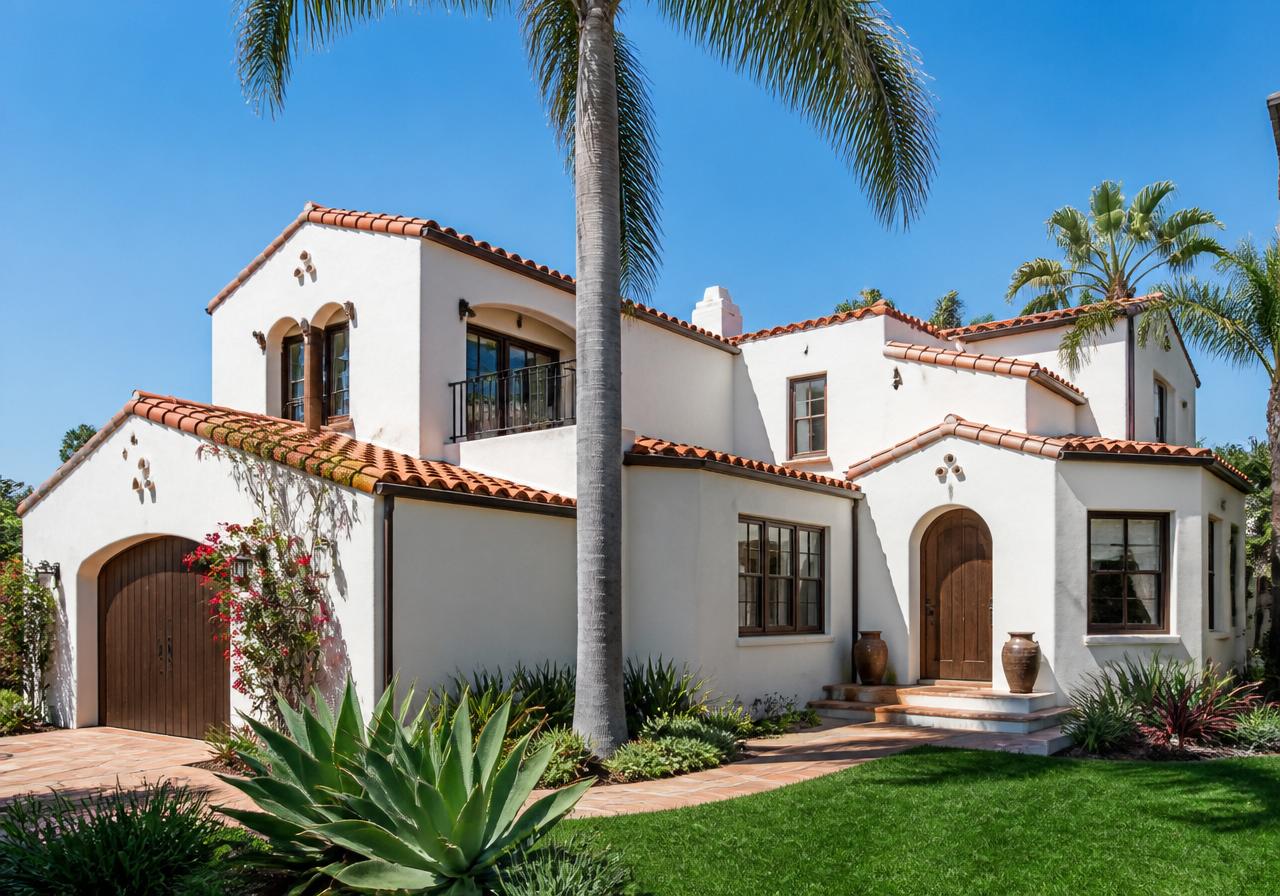
A freshly painted Spanish-style Los Angeles home exterior under bright California sun
Exterior

The Best Exterior Paint for Southern California's Climate

Santa Ana winds, marine moisture, and 300+ days of UV sun take their toll. Here's what we recommend for stucco, wood, and trim.

Mar 04, 2024 7 min
Read More →

Southern California is one of the harshest climates in the country for exterior paint. We get intense year-round UV, dry desert winds, salt air from the coast, and the occasional torrential rain. After 20 years of repainting LA homes, we have strong opinions about what holds up — and what doesn't.

For stucco — the most common exterior surface in LA — we recommend a high-quality acrylic elastomeric coating. Sherwin-Williams Loxon and Benjamin Moore Ultra Spec Masonry are both proven options. Elastomerics flex with the daily expansion and contraction of stucco and seal hairline cracks before they grow.

For wood siding, trim, and fascia, premium acrylic exteriors like Sherwin-Williams Duration and Benjamin Moore Aura Exterior offer the best UV and moisture resistance. Cheaper paints will chalk and fade within 3–4 years in LA sun. The good stuff lasts 8–12.

Prep is 70% of the job. Power washing, scraping loose paint, sanding glossy surfaces, caulking every gap, and priming bare wood with the right primer all matter more than the brand name on the can. We never skip these steps.

Color matters too. Dark exterior colors absorb significantly more heat and UV, which accelerates fading and can warp wood substrates. If you love a dark look, choose products specifically rated for dark-color exterior use.

We also recommend a re-coat schedule: stucco every 7–10 years, wood every 5–7 years, trim and doors every 4–6. With proper prep and the right products, you can comfortably hit the upper end of those ranges.

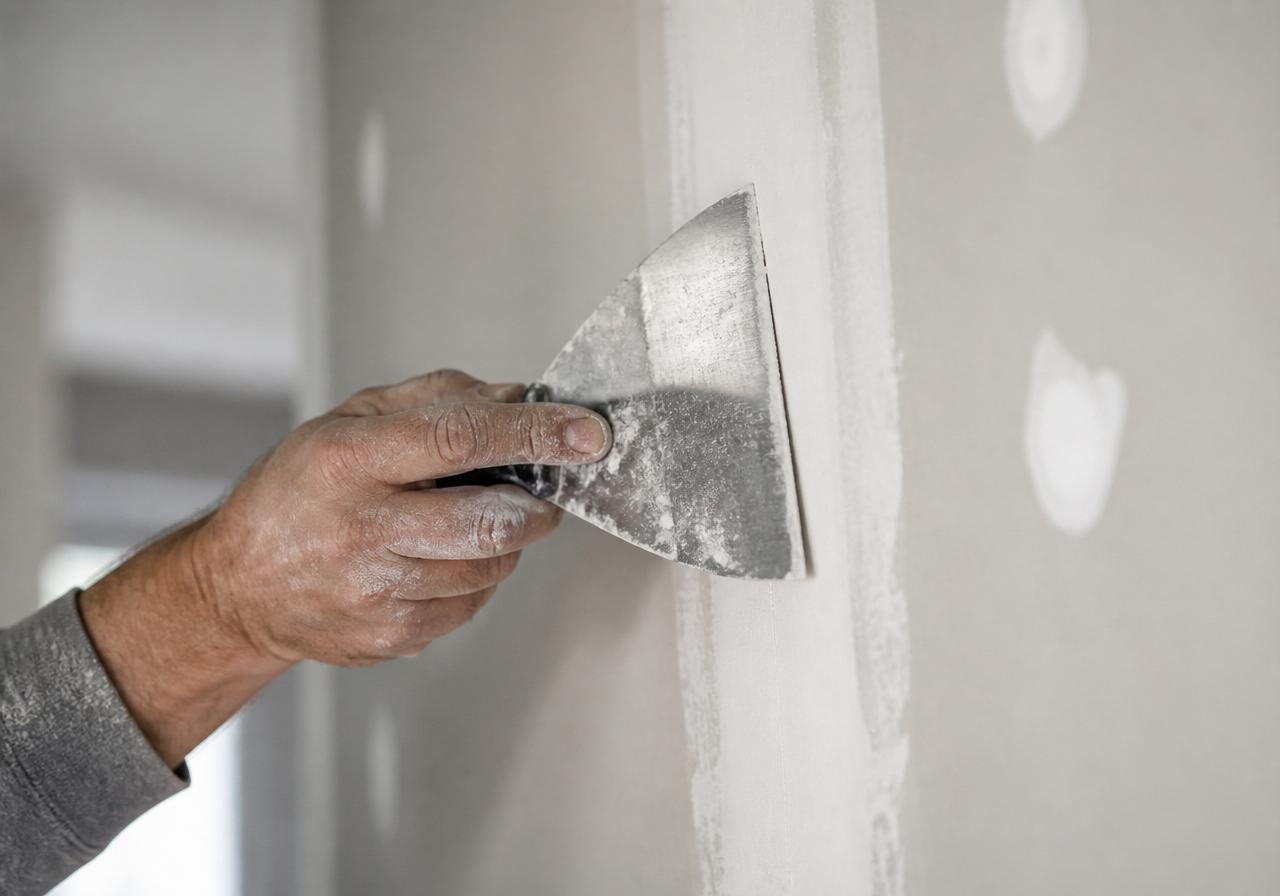
Close-up of a skilled hand smoothing joint compound onto drywall
Drywall

Drywall Repair vs. Replacement: What LA Homeowners Need to Know

Earthquake cracks, water damage, holes from frames — when to patch and when to tear out and replace.

Feb 22, 2024 5 min
Read More →

Living in LA, your drywall takes a beating. Earthquakes (even the small ones) leave hairline cracks at corners and door frames. Old plumbing leaks soften walls until they crumble. Doorknobs punch holes. Picture frames leave gaping anchor marks. After 20 years of fixing LA drywall, we've developed a clear rubric for when to patch vs. when to replace.

Small holes (under 6 inches) and hairline cracks are almost always patch jobs. We use mesh tape, multiple coats of joint compound, and texture matching to make the repair invisible. Done right, you won't see the patch even at close range.

Larger holes (6 to 24 inches) usually call for a drywall plug — we cut a clean square, install a backer, drop in a new piece of drywall, and tape/mud the seams. This is faster and cheaper than replacing a whole sheet.

Water damage is the trickiest. If drywall has been wet for more than 24 hours, mold is likely growing inside even if the surface looks dry. We always cut out 6 inches past visible damage, dry the cavity with fans, treat for mold, and install new sheets. Never paint over water-damaged drywall — it'll bubble and fail within months.

Earthquake cracks at corners and headers are usually cosmetic, but if they keep returning after every quake, the underlying framing may need attention. We'll inspect and let you know.

Cost rule of thumb: small patches start around $150–250. Single sheet replacements run $300–500. A full-wall replacement with texture matching is typically $800–1,500 depending on size and texture style.

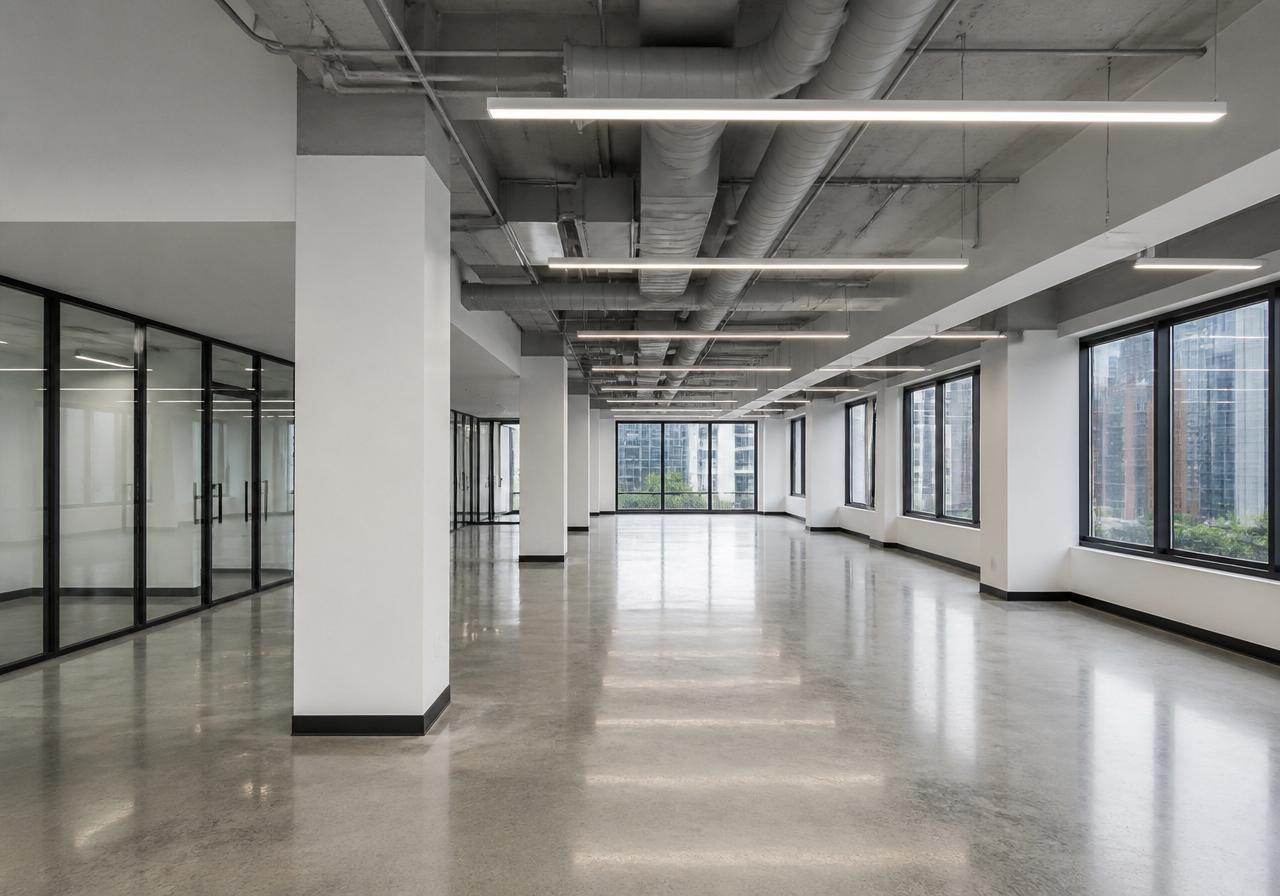
A modern commercial office freshly painted in clean whites and grays
Commercial

Commercial Painting in Los Angeles: Minimizing Business Disruption

Weekend scheduling, phased work, VOC-compliant paints — how we keep your business running while we repaint.

Feb 10, 2024 5 min
Read More →

Repainting an office or retail space sounds simple until you realize your team needs to keep working, your customers need to keep visiting, and your space needs to keep smelling like a place of business — not a paint store. After two decades painting LA businesses, we've built a playbook for getting commercial jobs done without disrupting operations.

Step one is scheduling. Most of our commercial clients prefer evening or weekend work. We routinely run crews Friday after-hours through Sunday night so the office reopens fresh on Monday morning. For 24/7 operations, we phase the work — painting one zone, sealing it, moving to the next.

Step two is product selection. Modern low-VOC and zero-VOC paints have come a long way. We default to Sherwin-Williams Harmony or Benjamin Moore Natura for commercial interiors — both have minimal odor and let occupants return within hours, not days.

Step three is containment. We protect floors, cubicles, and equipment with plastic and drop cloths. For phased jobs in occupied spaces, we erect dust walls with zippered entries to separate the work zone from the active workspace.

We've painted Burbank production offices over a single weekend, Santa Monica retail spaces overnight, and Encino medical practices in 3-hour blocks during clinic closures. Whatever your operation looks like, there's a scheduling pattern that works.

Bonus tip: branding. Many of our commercial clients use a repaint as an opportunity to refresh accent walls with brand colors. It's a high-ROI upgrade that costs almost nothing extra during a planned project.

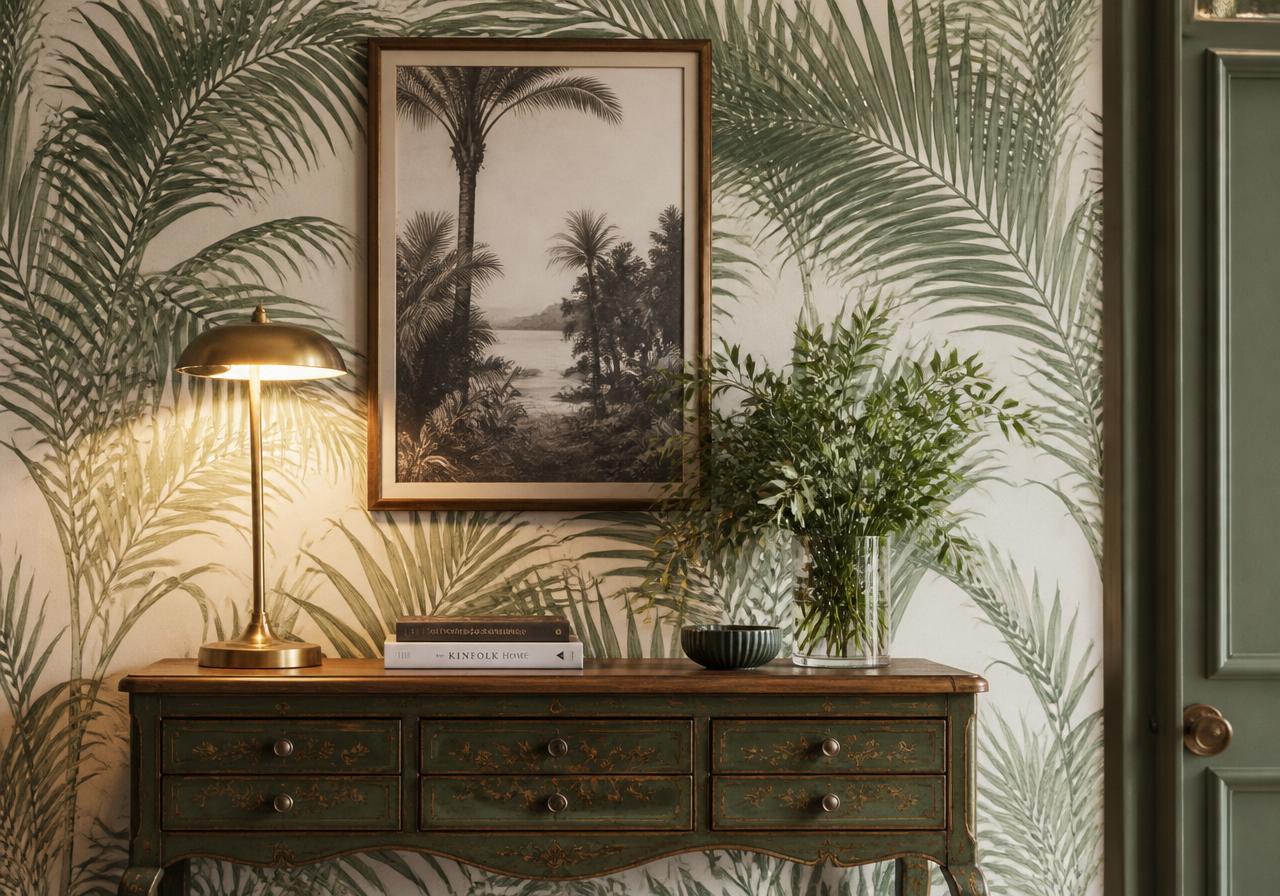
An elegant interior wall with botanical palm-leaf wallpaper
Wallpaper

Wallpaper Trends for Los Angeles Homes in 2024

Grasscloth, botanicals, geometric prints — wallpaper is back, and LA homeowners are leading the charge.

Jan 28, 2024 5 min
Read More →

Wallpaper is back, and Los Angeles homeowners are leading the maximalist comeback. After a decade of beige-everything, we're getting more wallpaper requests than at any point in the last 20 years. Here's what's working — and how to decide if it's right for your home.

Grasscloth is the runaway favorite in 2024. The woven natural fiber texture adds warmth and depth to a wall without the visual noise of a printed pattern. It looks especially good in dining rooms, powder rooms, and behind upholstered headboards. The downside: grasscloth is delicate, expensive, and not ideal for high-traffic areas with kids.

Botanical prints — palm leaves, jungle scenes, oversized florals — feel right at home in LA. They pair beautifully with our indoor-outdoor lifestyle and bring the canyon greenery indoors. Bedrooms, powder rooms, and accent walls behind a desk are great candidates.

Geometric prints in muted earth tones are having a moment in modern LA homes. Think soft terracotta hexagons, deep navy arches, or sage diamond grids. They give structure without overwhelming.

Removal tips: if you're peeling old wallpaper, do not pull it off dry. Score the surface with a perforator, apply a removal solution or hot water with fabric softener, and let it soak in for 15–20 minutes. Pull gently. If you tear into the drywall paper, you've now got a drywall repair job too — call us.

Paint vs wallpaper: wallpaper costs 2–4x as much per wall installed, but it lasts 10–15 years and brings texture and pattern that paint can't replicate. For accent walls in spaces you'll love long-term, it's often worth the spend.

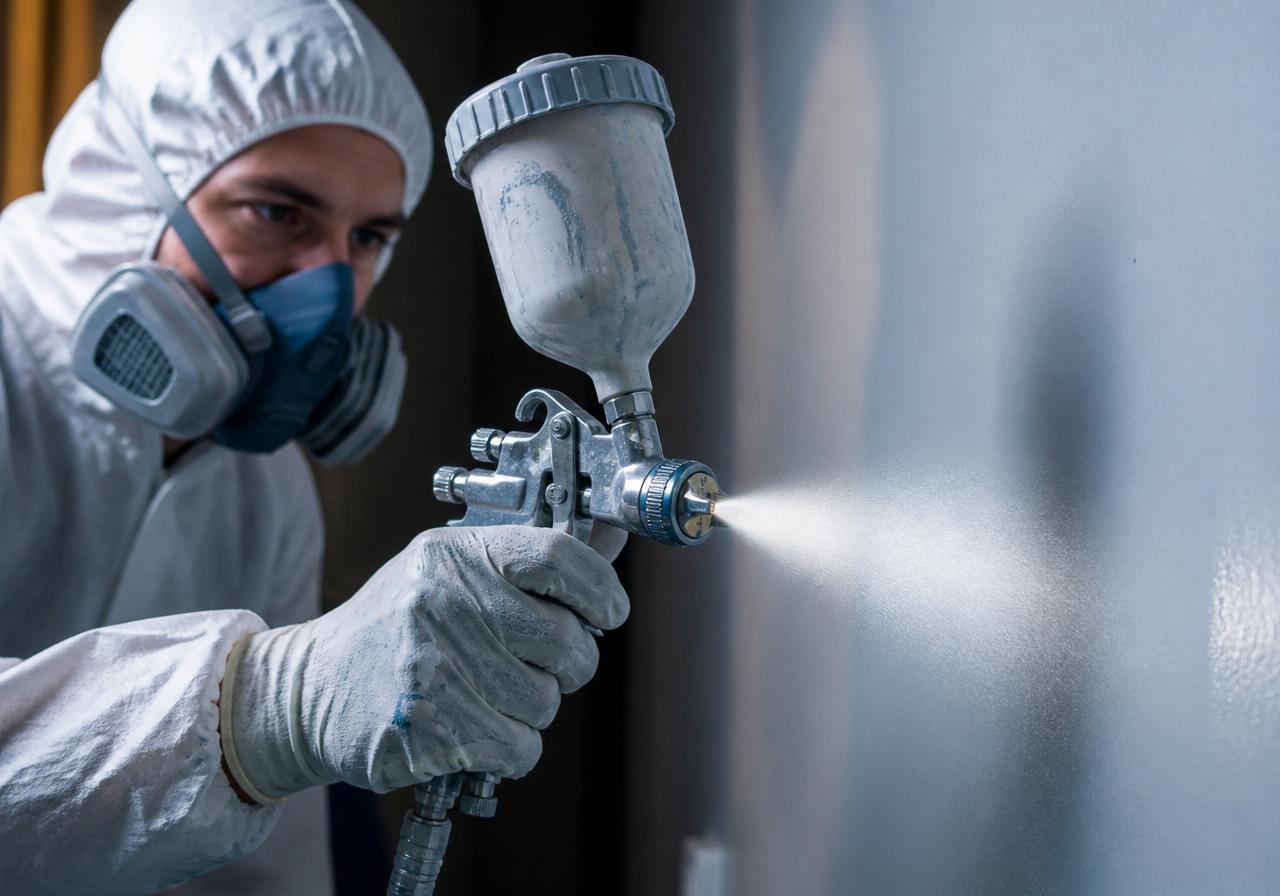
A painter using a paint sprayer with fine atomized mist
Pro Tips

Paint Spraying vs. Brush & Roller: Which Is Right for Your Project?

Sprayers deliver factory finishes; brushes and rollers offer control and clean lines. Here's when to use each.

Jan 14, 2024 6 min
Read More →

One of the most common questions we get from homeowners is: 'Should you spray it or roll it?' The honest answer is: it depends on the surface, the desired finish, and what's around the work area. Here's how our crews decide.

Spray wins for: new construction, large open walls with no furniture, fences and gates, cabinet doors and drawer fronts removed and sprayed off-site, garage interiors, and any project where you want a perfectly smooth factory finish. Sprayers atomize paint into a fine mist that lays flat with no brush or roller texture.

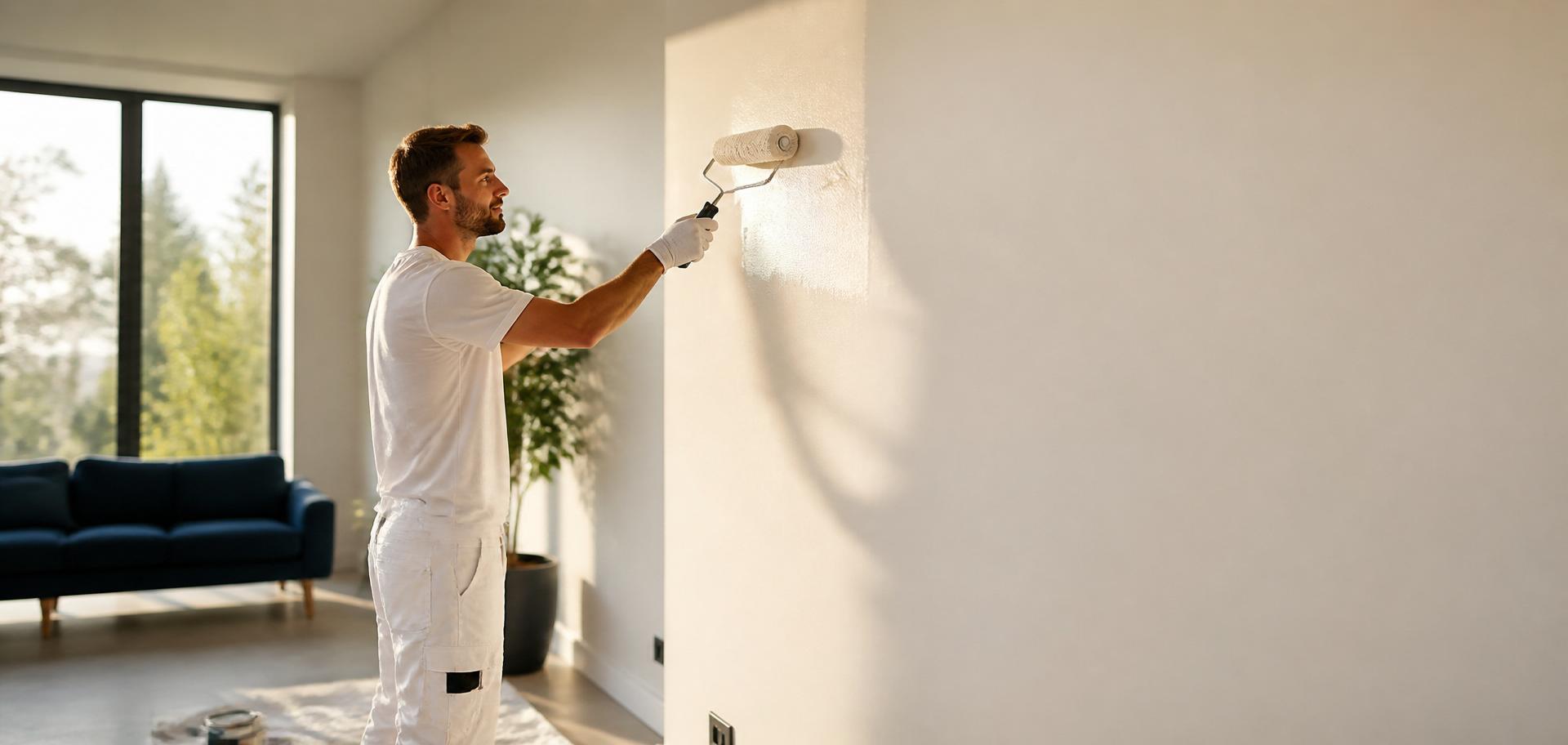
Brush and roller win for: occupied homes with furniture, trim and detailed millwork, anywhere you need crisp cut lines next to cabinets or floors, small touch-up jobs, and any space where overspray containment would be more work than just rolling. Rollers leave a subtle texture (the 'orange peel' you see on most interior walls) that hides imperfections better than a sprayed finish.

Hybrid approach: this is what we actually do most often. We spray the bulk of a wall or ceiling for speed and finish quality, then back-roll immediately to embed the paint and add a uniform texture. On cabinets, we spray. On trim around the same cabinets, we brush. On exterior stucco, we spray and back-roll. On wood siding, we brush.

DIY warning: sprayers waste 30–40% more paint than rollers and create overspray that will travel surprising distances. If you're considering renting a sprayer, plan to mask everything within 20 feet of the work area, including plants and cars. Most homeowners are better off renting a high-quality roller and an extension pole.

Whichever method we use, the finish quality comes from prep and product selection, not the equipment. A sprayed wall over bad prep looks worse than a rolled wall over great prep. The tools just speed things up.

Extra Care painting crew at work on a Los Angeles project

Free Estimates & Consultations

Call us or fill out our form — we respond within 24 hours!

Free Estimates & Consultations

We respond within 24 hours · Free Estimates & Consultations · No obligation

By submitting, you agree to be contacted about your project. No spam, ever.